
In many communities across Sierra Leone, traditional textile weaving is more than an art form — it is history, identity, memory, and survival woven into fabric. Across generations, women artisans and local craftspeople have preserved techniques, symbols, patterns, and stories that reflect the richness of Sierra Leone’s cultural heritage. Yet despite the beauty and value of these traditions, many artisan communities remain disconnected from modern creative industries and economic opportunities.
The Woven Path Project was created to bridge that gap.
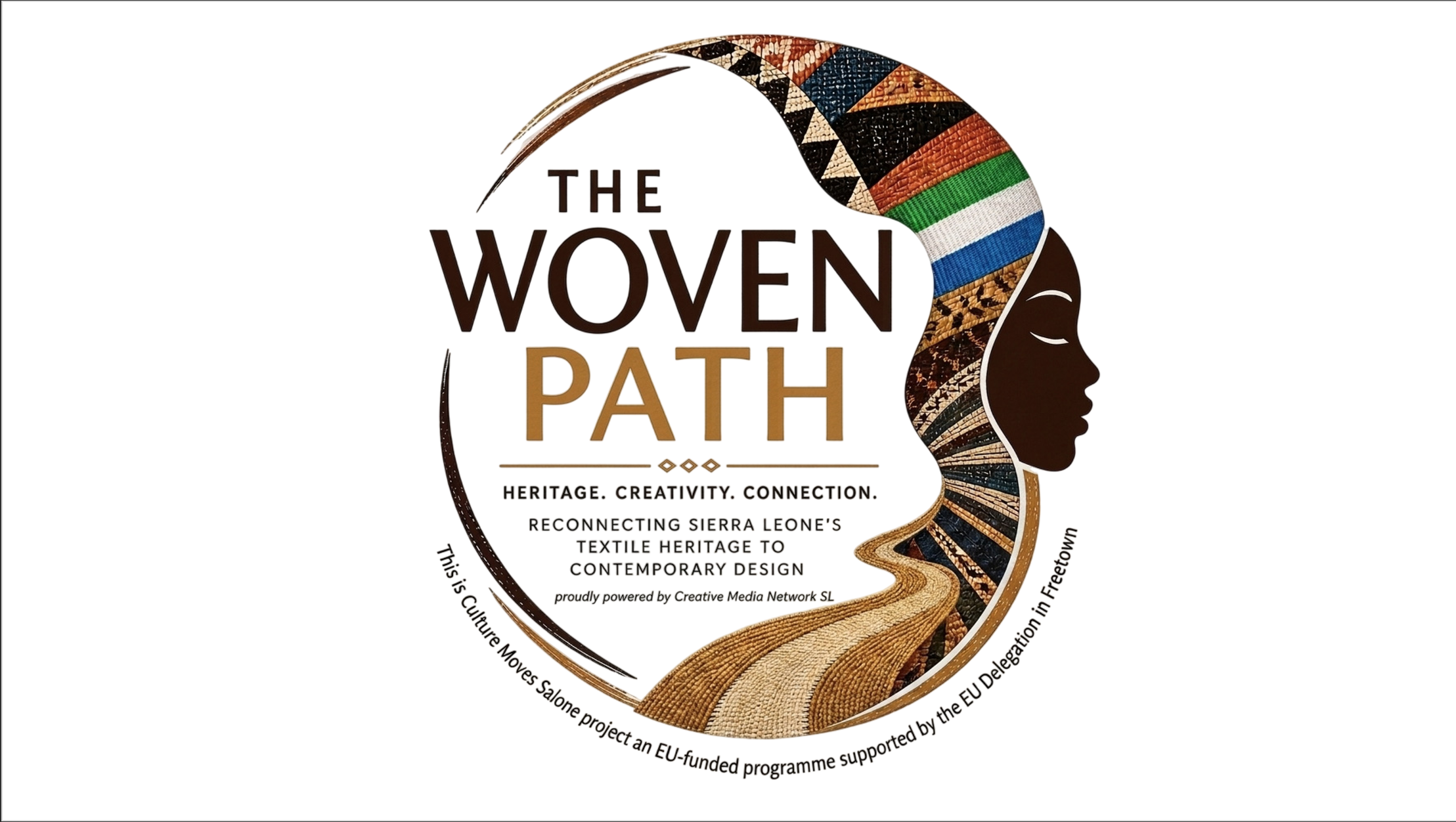
Developed by Abdulai Barrie as a design mobility initiative, The Woven Path is a cultural and creative engagement project focused on reconnecting traditional textile artisans with designers, storytellers, researchers, and creative innovators. The project seeks to preserve indigenous textile knowledge while creating new pathways for collaboration, visibility, and sustainable creative enterprise.
Understanding the Disconnect
In many rural communities, textile knowledge is deeply rooted in lived experience and oral tradition. Women master weavers continue to pass down weaving techniques, symbolic patterns, and natural dye practices through generations. However, these communities often have limited access to formal design networks, digital platforms, creative markets, and institutional support.
At the same time, many urban designers and young creatives are increasingly disconnected from traditional craft knowledge. Modern design practices frequently overlook local heritage, while artisans remain excluded from structured creative economies.
This disconnect creates a missing bridge between heritage and innovation.
The Woven Path Project addresses this challenge by creating a collaborative space where culture, creativity, and community learning can intersect.
A Journey Across Sierra Leone
The heart of the project is a 10-day structured engagement journey across Sierra Leone’s craft communities.
The mobility experience begins in Freetown with project orientation and creative briefing sessions before moving into key cultural regions including Kenema, Kono, and Makeni.
Each stop offers a unique layer of learning and exchange:
- Kenema: Exploration of weaving traditions and textile techniques with master weavers.
- Kono: Learning the symbolic language behind traditional motifs, patterns, and cultural storytelling.
- Makeni: Building collaborations with institutions, cultural stakeholders, and local creative communities.
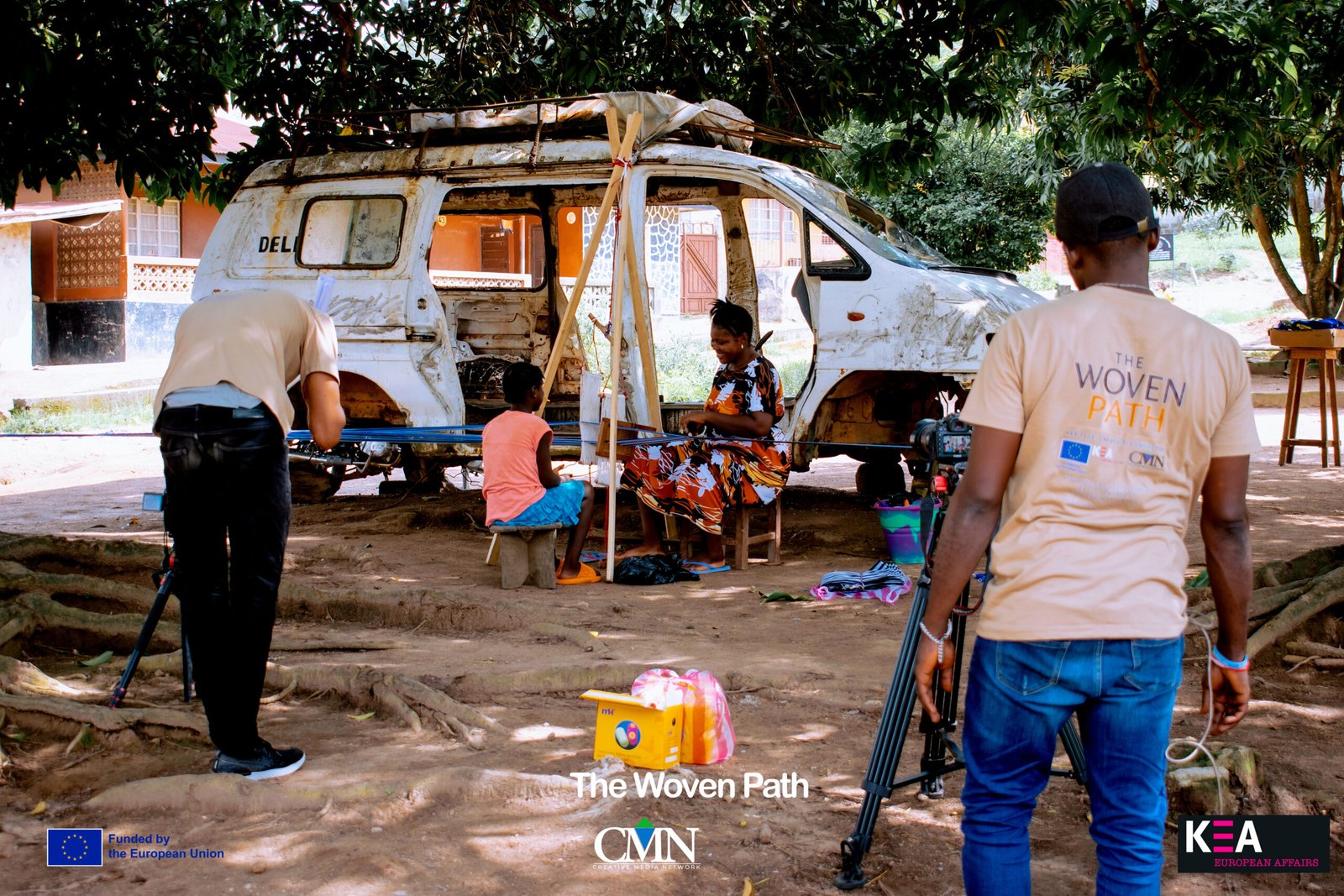
The project is designed to be practical, immersive, and collaborative. Participants engage directly with artisans, document traditional processes, and explore ways of integrating heritage into contemporary design and storytelling.
Preserving Heritage Through Creativity
The Woven Path is not only about documentation — it is about activation.
The project aims to transform cultural knowledge into living, accessible creative resources that can inspire future generations. Through photography, video, collaborative workshops, and storytelling, the initiative captures the voices, techniques, and lived experiences of Sierra Leonean artisans.
By connecting rural craft communities with designers and creatives, the project encourages new forms of collaboration that respect tradition while embracing innovation.
Key Deliverables
The project will produce several long-term creative and educational outputs, including:
Digital Archive
A growing archive of photographs, recordings, textile patterns, and documented craft traditions that preserve valuable indigenous knowledge.
Short Documentary
A visual storytelling piece capturing the journey, voices, artistry, and cultural significance of Sierra Leone’s weaving communities.
Collaborative Design Outcomes
Co-created concepts and creative works developed through engagement between artisans and designers.
Public Workshops and Engagement Sessions
Interactive sessions for students, creatives, and the wider public to learn about Sierra Leone’s textile heritage and the importance of cultural preservation.
Why This Project Matters
Across Africa and around the world, traditional knowledge systems are at risk of disappearing due to globalization, economic pressure, and generational shifts. When cultural practices fade, communities lose not only economic opportunities but also identity, memory, and history.
The Woven Path Project recognizes that heritage can be both preserved and reimagined.
By combining design mobility, community engagement, documentation, and creative collaboration, the project creates a model for cultural sustainability rooted in local knowledge and human connection.
It is an invitation to rethink how creativity can serve communities, how storytelling can preserve identity, and how collaboration can create new pathways for cultural and economic empowerment.
Looking Ahead
The vision for The Woven Path extends beyond a single journey.
The long-term ambition is to build a wider network of cultural documentation, creative exchange, youth engagement, and heritage innovation across Sierra Leone and beyond. Future expansions may include exhibitions, digital learning platforms, artisan marketplaces, design fellowships, and international collaborations that showcase Sierra Leonean creativity on a global stage.
At its core, The Woven Path is about connection.
Connection between generations.
Connection between artisans and designers.
Connection between heritage and innovation.
Connection between stories and the future.
As the threads of culture, creativity, and community come together, The Woven Path reminds us that preserving heritage is not about looking backward — it is about creating meaningful pathways forward.